
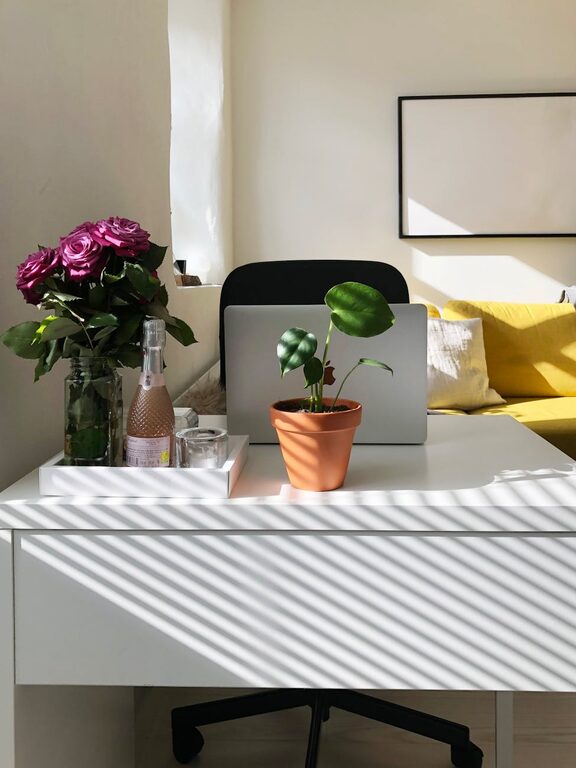
Creating a relaxing home office environment is essential for maintaining focus, reducing stress, and fostering creativity. With many people now working remotely or blending home and work life, setting up a comfortable and peaceful workspace can significantly improve your overall experience and productivity. This guide offers practical tips to help you design a calming home office that suits your needs.
Choose the Right Location
Start by selecting a spot that feels comfortable and quiet. Ideally, your home office should be in a space that is separate from high-traffic areas like the kitchen or living room. This separation helps to mentally divide work time from relaxation and family time.
If a separate room isn’t an option, consider using room dividers, screens, or even a designated corner with clear boundaries. Natural light is a bonus, so position your desk near a window if possible, to brighten the space and improve mood.
Invest in Comfortable Furniture
Comfort is key in a relaxing home office. A good quality chair that supports your posture can prevent back pain and fatigue. Look for adjustable chairs with lumbar support and cushioned seating.
Your desk should be the right height for you, allowing your arms to rest comfortably while typing or writing. If sitting for long periods is unavoidable, consider a sit-stand desk that lets you alternate between sitting and standing, promoting better circulation.
Minimise Clutter and Stay Organised
A cluttered desk can lead to a cluttered mind. Keeping your workspace tidy helps reduce distractions and improves your focus. Use organisers such as trays, drawer units, or shelves to store supplies neatly.
Regularly clear your desk of unnecessary items and keep only what you need for the task at hand. Digital organisation is also important—maintain orderly folders on your computer and close unused tabs to avoid information overload.
Use Soothing Colours and Decor
The colours in your office can affect your mood and productivity. Calm, neutral tones like soft blues, greens, or greys create a relaxing atmosphere. Avoid overly bright or intense colours that may cause agitation or fatigue.
Adding a few personal touches or decor items like plants, artwork, or motivational quotes can make the space feel inviting without becoming distracting. Indoor plants are particularly beneficial as they can improve air quality and provide a connection to nature.
Control Lighting and Reduce Glare
Proper lighting is crucial for comfort. Natural light is ideal, but ensure it doesn’t cause glare on your screen. Position your monitor perpendicular to windows to avoid reflections.
For darker days or late working hours, use adjustable desk lamps with soft light options. Consider using lampshades or diffusers to reduce harsh shadows. Avoid overhead fluorescent lights, which can be tiring on the eyes over long periods.
Incorporate Calming Sounds
Silence isn’t always necessary for a relaxing environment. Many people find soft background sounds helpful. Consider playing gentle instrumental music, nature sounds like rain or birdsong, or white noise to drown out distractions.
If you’re in a noisy home or urban area, noise-cancelling headphones could be a good investment to create a more peaceful atmosphere.
Maintain a Comfortable Temperature and Airflow
Make sure your home office is well-ventilated and that the temperature is comfortable. Being too hot or too cold can distract you from work and cause discomfort.
If windows are nearby, opening them when weather permits can freshen the air. Otherwise, a small fan or air purifier might help improve airflow and air quality.
Take Regular Breaks and Stretch
Even the most relaxing space won’t prevent fatigue if you work nonstop. Set reminders to stand, stretch, and move around every hour. Simple stretches can relieve tension in your neck, shoulders, and back.
Use breaks to step away from your desk, perhaps to make a cup of tea or take a short walk. These routines refresh your mind and body, helping you return to work feeling focused.
Set Boundaries for Work and Rest
A relaxing home office also depends on clear boundaries between work and personal time. Establish fixed work hours and communicate these to household members.
Switching off work notifications and closing the office door at the end of the day helps separate professional and personal life, which supports relaxation outside working hours.
—
Creating a relaxing home office is about combining comfort, organisation, and personal touches that suit your working style. By following these tips, you can build a workspace where you feel calm, productive, and inspired every day.