
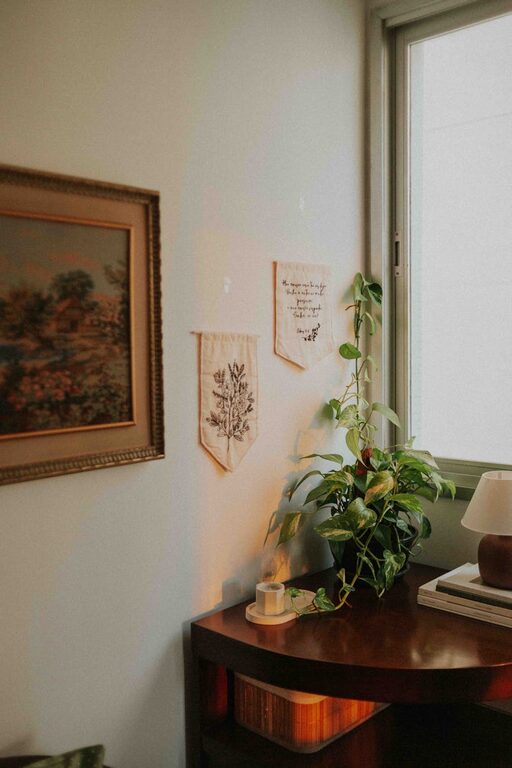
Creating a relaxing home environment is something many of us aspire to but often feel overwhelmed about where to start. The good news is that you don’t need a complete overhaul or expensive redesign to make your living space feel more calming and inviting. Simple decor changes can have a big impact on your mood and wellbeing at home. In this post, we’ll explore practical tips to help you transform your home into a tranquil sanctuary, focusing on easy, manageable steps.
Why a Relaxing Home Environment Matters
Our home should be a place where we can unwind, recharge, and feel safe. With busy lifestyles and increasing use of technology, calming surroundings help reduce stress and improve overall mental health. Thoughtful decor choices influence how we feel and interact with our living space, so even small adjustments can create a noticeable difference in atmosphere.
Choose Soothing Colour Palettes
One of the quickest ways to create a calm mood is through colour. Colours affect our emotions, so opt for shades known for their relaxing qualities:
– Soft blues and greens: Mimic nature and evoke a sense of calm.
– Warm neutrals: Cream, beige or light browns provide warmth without overstimulation.
– Muted pastels: Soft lavenders or blush tones gently soothe the eye.
Avoid overly bright or harsh colours in large areas, as they can feel energising rather than calming. Painting an accent wall or incorporating cushions and throws in these hues is an effective approach without needing a full paint job.
Maximise Natural Light
Natural light has a refreshing and uplifting effect. To enhance the light in your home:
– Use light, airy curtains or blinds that allow sunlight through.
– Position mirrors opposite windows to reflect light deeper into the room.
– Choose furniture with slim profiles or reflective surfaces to avoid blocking light.
Even small rooms can feel larger and more inviting by harnessing daylight, which naturally supports relaxation by regulating our body clock.
Declutter to Destress
Clutter can create feelings of chaos or overwhelm. Aim for a neat, organised space by:
– Regularly sorting through possessions, donating or recycling items you no longer use.
– Using smart storage solutions like baskets, boxes and shelves to keep surfaces clear.
– Keeping everyday items in designated places for easy access and a tidy appearance.
A clutter-free room promotes peace of mind by eliminating visual distractions and making cleaning simpler.
Add Natural Elements
Bringing nature indoors promotes calmness and connection to the outdoors. Consider:
– Houseplants: Easy-care plants like spider plants, snake plants or pothos improve air quality and add greenery.
– Natural textures: Materials such as wood, rattan or linen add warmth and tactile interest.
– Fresh flowers or herbs can provide subtle scents and beauty.
Avoid overdoing it—choose a few well-placed natural features to maintain a balanced, uncluttered look.
Create Comfortable Spaces for Rest
Designate areas specifically for rest and relaxation:
– In the living room, add soft cushions, a cosy throw or a comfortable armchair.
– Consider a reading nook with good lighting and a side table for drinks or books.
– Bedroom décor should be calming, with breathable fabrics, quality bedding and minimal electronics.
Comfort encourages relaxation, so investing in plush textiles and ergonomic furniture is worthwhile.
Use Soft Lighting
Lighting plays a major role in setting the mood. Harsh overhead lights can feel clinical, so try softer options:
– Lamps with warm bulbs provide gentle illumination.
– Dimmer switches allow you to adjust brightness according to time of day or activity.
– Candlelight adds a peaceful flicker and can create a cosy atmosphere during evenings.
Layering lighting sources lets you customise your environment for maximum comfort.
Introduce Calming Scents
A subtle fragrance can enhance relaxation without overwhelming the senses. Consider:
– Essential oil diffusers with lavender, chamomile or eucalyptus oils.
– Scented candles made from natural waxes (avoid synthetic fragrances).
– Fresh herbs or potpourri in small bowls around the home.
Always test new scents for sensitivities and keep aromas mild to maintain a pleasant environment.
Personalise Your Space with Meaningful Items
Incorporating items that bring joy or comfort helps make your home feel truly yours:
– Display photos of loved ones or favourite places.
– Incorporate artwork that inspires serenity or happiness.
– Use sentimental objects as gentle reminders of good times.
Balance is key—too many personal items can contribute to clutter, so curate with care.
Maintain a Peaceful Routine
Finally, a calming home is easier to enjoy when it’s maintained regularly:
– Dedicate a few minutes each day to tidying up or opening windows for fresh air.
– Create a weekly or monthly cleaning schedule to keep clutter and dust at bay.
– Set boundaries for technology use in relaxation spaces to maintain tranquillity.
Consistency helps sustain the comforting environment you’ve worked to create.
—
By making even a handful of these simple decor changes, you can foster a home environment that supports rest, relaxation and wellbeing. Remember, the goal isn’t perfection but creating a space that feels peaceful and welcoming to you and those you live with. Enjoy the process of transforming your home into a true sanctuary.